
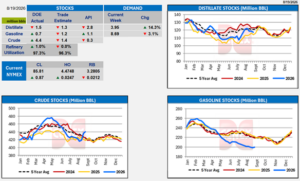
Energy markets have moved higher recently as concerns continue around supply disruptions tied to the Middle East, especially shipping through the Strait of Hormuz. This waterway is important because a large share of global oil and liquefied natural gas normally moves through it. With traffic through the strait still limited and tensions between the U.S. and Iran unresolved, traders are keeping a risk premium built into crude oil, gasoline, and diesel prices.
Crude oil prices have been trading near multi-week highs, with U.S. WTI crude reported around the mid-$80s per barrel. Gasoline prices have also remained elevated, with the national average for regular gasoline moving above $4 per gallon. Diesel markets are being supported by the same supply concerns, along with continued global refinery issues and fuel shortages in areas such as Russia, where refinery damage has led to increased imports of refined fuels from Asia.
Supply routes remain a key focus. Ship traffic through the Strait of Hormuz has been well below normal, and some vessels are using alternative routes, ship-to-ship transfers, or operating with transponders disabled. Regional producers such as Saudi Arabia and the UAE are working to move more barrels around the disruption, which has helped prevent a larger price spike, but normal movement through the region has not fully recovered.
Refinery activity is also influencing the market. China’s crude processing has been lower than last year, which points to softer demand there, but inventory draws suggest the country has still been using significant crude supplies. In North America, the U.S. and Canadian oil rig counts have increased, which is a supportive sign for future production, though it does not provide immediate relief to refined product prices.
What This Means for Gasoline and Diesel Buyers
For customers buying gasoline and diesel, the main takeaway is that prices remain sensitive to overseas headlines. Any improvement in shipping conditions or progress toward a U.S.-Iran agreement could ease some pressure. However, if tensions continue or shipping disruptions worsen, both gasoline and diesel could see additional upside.
Market Outlook
The near-term outlook remains cautiously firm. Middle East tensions, limited shipping through Hormuz, and ongoing refinery disruptions are likely to keep a floor under crude oil and refined product prices. Gasoline and diesel may stay volatile, especially if new security incidents occur or if negotiations remain stalled. At the same time, alternative shipping arrangements, higher North American rig counts, and lower Chinese refinery demand may help limit the size of any price rally. Overall, customers should expect a choppy market with more risk to the upside if global supply routes remain constrained.
If you have any questions or would like current pricing, please contact your Energy Account Manager.
PROPANE
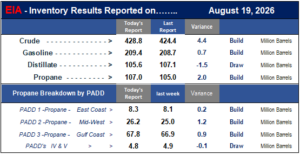
Propane inventories remain very comfortable for this time of year. The latest government data showed propane and propylene stocks increased by about 2.0 million barrels from the previous week, leaving inventories well above normal seasonal levels. Earlier market expectations had pointed to a smaller build of around 860,000 barrels, but the actual increase was stronger than expected.
Overall supply is the main story. Inventories are running above last year and well above the five-year average, which gives the market a solid cushion heading toward fall demand. When propane supply is this strong, it can help limit upward price pressure, especially if exports and domestic demand remain steady.
What This Means for Propane Customers
For customers who buy propane, the current inventory picture is generally favorable. Strong stock levels can help keep the market more balanced and may reduce the risk of sharp price increases in the near term. However, propane pricing can still move quickly if exports stay strong, crude oil prices rise, or weather forecasts begin to point toward stronger heating demand.
At this point, the best approach is to stay in touch with your energy representative and review your propane needs ahead of the colder months. Planning early can help avoid last-minute decisions if the market changes or seasonal demand picks up.
Market Outlook
Looking ahead, the propane market appears well supplied as we move closer to the fall and winter heating season. Current inventory levels provide a strong buffer, which should help keep the market more stable if demand builds gradually. The near-term outlook leans steady to slightly favorable for buyers, assuming exports, crude oil prices, and weather remain manageable.
The main items to watch are export demand, crude oil movement, and early winter weather forecasts. A colder-than-normal start to the heating season or stronger export pull could bring more price support, while continued inventory builds would likely help keep pricing pressure limited.
If you have any questions or would like current pricing, please contact your Energy Account Manager.
NuWay-K&H Cooperative Customer Portal
Through our portal, you can check billing, make payments, request a quote, check previous years product usage, see invoices and statements, and much more. We also offer digital contracting through the portal where you can sign and pay your energy contracts through our mobile app or desktop site. Click here log in!(opens in new tab)