

Energy markets remain highly volatile as geopolitical developments continue to drive prices. Disruptions to Middle Eastern shipping routes and energy infrastructure have tightened global supply concerns, while recent diplomatic discussions and the partial restart of Saudi Arabia’s East-West Pipeline have provided some relief. Crude prices have moved lower from recent highs, but the market is still carrying a significant risk premium because conditions can change quickly.
Gasoline prices are receiving mixed signals. Lower crude prices and recovering Saudi export capacity could ease some near-term pressure. However, proposed restrictions on U.S. diesel exports could cause refiners to reduce overall operating rates, which would also lower gasoline production and potentially tighten domestic gasoline supplies. For customers, this means gasoline prices may remain uneven and sensitive to policy headlines.
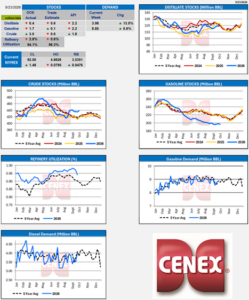
Diesel remains the most supply-sensitive part of the market. Russian refinery outages and extended export restrictions, low U.S. seasonal inventories, and reduced global exports have kept supplies tight. Although diesel futures have pulled back at times as Saudi flows improve, continued attacks on energy infrastructure and strong overseas demand for U.S. fuel could keep diesel prices elevated. Trucking, agriculture, rail, and other diesel dependent industries should be prepared for continued price swings.
Near-term pricing is likely to remain volatile rather than move steadily in one direction. Improving Saudi pipeline operations and possible diplomatic progress with Iran could pressure crude and refined-product prices lower. At the same time, restricted shipping through the Strait of Hormuz, continued Red Sea risks, Russian refinery disruptions, low diesel inventories, and uncertainty over U.S. export policy could quickly push prices higher again. Gasoline may see modest relief if crude supplies continue to normalize, while diesel is likely to remain comparatively firm. Customers may want to stay in close contact with their supplier, watch market opportunities, and avoid relying on a single large price move in either direction.
If you have any questions or would like current pricing, please contact your Energy Account Manager.
PROPANE
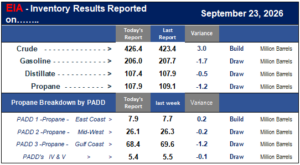
U.S. propane and propylene inventories decreased by 1.2 million barrels and remain about 20% above the five-year average. The market had expected a 425,000-barrel build, so the reported decline was tighter than anticipated. Even with the draw, overall supplies remain healthy compared with normal seasonal levels.
Propane prices may receive some near-term support because inventories declined instead of increasing as expected. However, stocks are still well above the five-year average, which should help limit significant upward pressure. Export demand remains the main factor to watch, and normal inventory volatility may increase as seasonal demand approaches. For customers, the outlook is generally balanced: supplies appear adequate, but stronger exports or additional inventory draws could create short-term price firmness.
If you have any questions or would like current pricing, please contact your Energy Account Manager.
NuWay-K&H Cooperative Customer Portal
Through our portal, you can check billing, make payments, request a quote, check previous years product usage, see invoices and statements, and much more. We also offer digital contracting through the portal where you can sign and pay your energy contracts through our mobile app or desktop site. Click here log in!(opens in new tab)