
NuWay-K&H AGRONOMY Account Managers
As we move through the heart of the growing season, this year’s crop continues to show strong potential across much of our trade area. While weather conditions have presented some challenges at times, overall crop development has progressed well, and many fields are positioned for a successful finish heading into late summer.
One of the biggest topics this season has been weed management, particularly with waterhemp. Across both corn and soybean acres, we’ve seen strong results from high-rate pre-emerge residual programs followed by the addition of Zidua-based post residual herbicides. This approach has helped extend residual control throughout the season, reducing the number of new waterhemp plants emerging and providing greater flexibility when timing post applications.
As many growers have experienced, weather conditions play a significant role in herbicide performance. Liberty herbicide applications, in particular, have been more challenging this year due to a limited number of days that provided the warm temperatures, sunlight, and humidity needed for optimum activity.
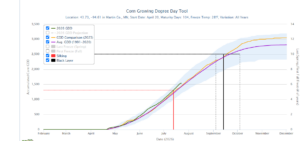
Why Weather Matters for Herbicide Performance
For contact herbicides like Liberty, environmental conditions can greatly influence effectiveness. Warm daytime temperatures, adequate humidity, and active plant growth allow weeds to absorb and translocate herbicides more efficiently. When temperatures cool overnight and daytime conditions remain mild or cloudy, weed growth slows, reducing herbicide uptake and performance.
To address these challenges, some planned Liberty applications were adjusted to Enlist One where field conditions and weed pressure warranted a different approach. Making these adjustments allowed growers to continue effectively managing tough waterhemp populations despite less-than-ideal application conditions.
Looking Ahead to Fall Fertility Planning
While much of the focus today remains on crop management, now is also a good time to begin thinking about fall fertility planning. With current fertilizer market conditions continuing to fluctuate, reviewing fertility needs field by field before harvest can help position your operation to make informed decisions this fall.
If your soil samples are becoming outdated, we strongly encourage updating them this season. Conventional grid samples are typically recommended for resampling every four years, and fall provides an excellent opportunity to refresh that data.
Taking Soil Sampling to the Next Level with SoilOptix®
For growers looking for a deeper understanding of field variability, SoilOptix® continues to be a valuable tool.
Unlike traditional 2.5-acre grid sampling, SoilOptix provides high-definition soil mapping that combines nutrient analysis, soil texture profiling, and elevation data. The result is a much more detailed picture of what’s happening across every acre of a field.
- This information can be used to develop:
- Variable-rate fertilizer recommendations
- Variable-rate seeding prescriptions
- Variable-rate soil amendment recommendations
- Site-specific iron prescriptions
Variable-rate soybean population recommendations for areas with high soil pH
For growers whose conventional grid samples are due for renewal, transitioning to SoilOptix can provide additional insights that help fine-tune fertility programs and maximize return on investment.
As harvest approaches, we encourage you to connect with your Agronomy Account Manager to review fertility plans, discuss soil sampling options, and begin preparing for the 2027 growing season. The decisions made this fall will help lay the foundation for success next year, and we’re here to help you evaluate the options that best fit your operation.